

MEMPHIS, Tenn. – Bees play an important role in the health of most forest ecosystems. These essential pollinators help trees and plants grow, supporting biodiversity and the natural systems that keep forests healthy.
Healthy forests, in turn, help clean water and air, improve soil and provide habitat for wildlife.
In Brazil, the only region where Sylvamo owns forestland, these connections are especially important. Native bees pollinate up to 90% of plant species in the Atlantic Forest, making them essential to keeping forests diverse and resilient.
Here’s how Sylvamo is investing in bees to support stronger, more resilient forests over time:
Verde Mel: Where Bees Bring Forests Back to Life
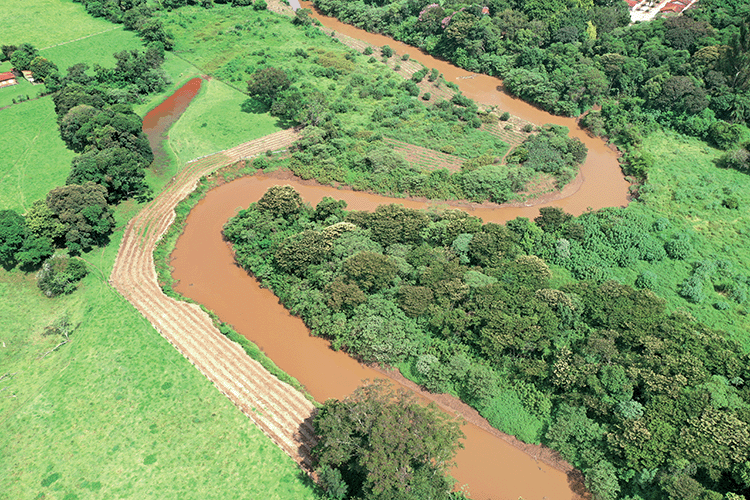
Sylvamo’s Verde Mel project focuses on protecting and expanding native bee populations in the Mogi Guaçu River Basin. Working with partners, the project aims to increase native bee populations by installing breeding sites, multiplying colonies and training local stakeholders to help oversee the effort.
It also helps generate honey and other essential Brazilian products through small-scale family farming. The project intentionally operates in strategic locations that can benefit from pollination and economic growth.
Solidarity Beekeeping: Our Land, Their Livelihood, Shared Impact
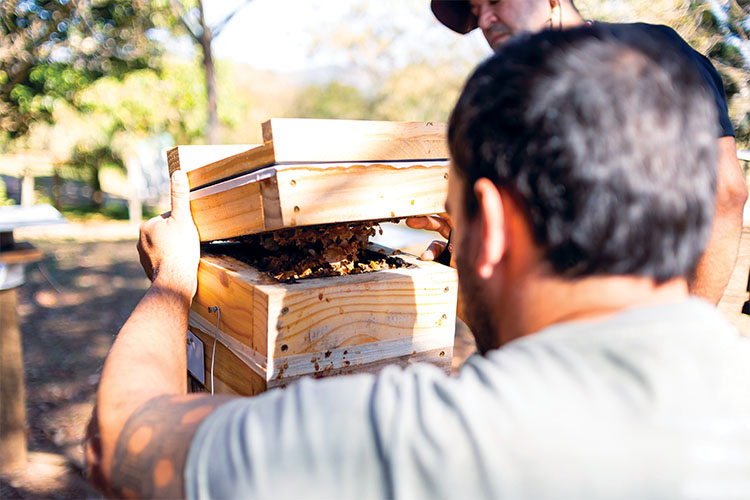
Sylvamo’s Solidarity Beekeeping program brings managed hives into its forest areas, creating shared benefits for people and nature. Since 2011, the program has supported local beekeepers by providing training, equipment and safe access to forestland. The bees benefit from healthy forest habitats, while their pollination supports tree growth and plant diversity. This strengthens forest health and productivity while also creating income opportunities for local families.
By the end of 2025, the project’s 34 beekeepers, who are responsible for installing 2,560 hives and 630 bait boxes, had generated an estimated income of more than $29,000 and produced 10.2 tons of honey.
Together, these efforts show how small species can make a big impact. The result is healthier forests that support wildlife, local livelihoods and the long-term sustainability of natural resources.