Strategic Eastover Investments Continue Making Progress
August 28, 2026


August 28, 2026
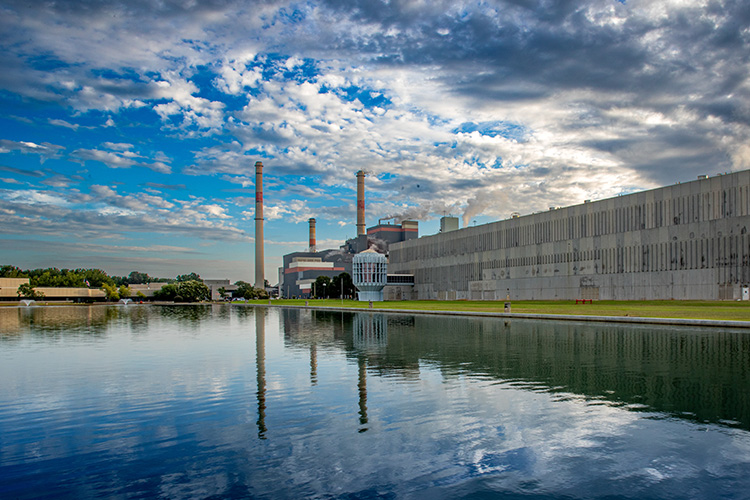
EASTOVER, S.C. – Sylvamo is making significant progress on $145 million in high-return projects at its South Carolina facilities.
The investments will improve long-term efficiency, lower costs and increase capacity at the company’s Eastover, South Carolina mill, only strengthening its position as one of the most competitive paper mills in the world.
These projects are part of an overall strategy to invest in low-risk, high-return projects that strengthen business and create long-term value.
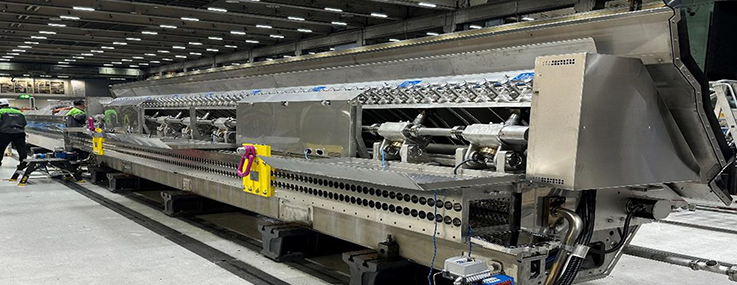
The $100 million project to optimize and speed up the No. 2 Paper Machine remains on schedule, with most work planned during the extended fourth-quarter maintenance outage. Once complete, this project is expected to improve flexibility, reduce costs and enhance product mix across both paper machines, resulting in approximately 60,000 additional short tons of uncoated freesheet annually.
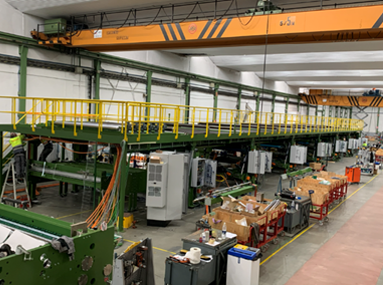
At the Sumter sheeting plant, a $45 million investment in a new, state-of-the-art 13-pocket cutsize sheeter is on schedule, with product passing testing by the manufacturer in June. The sheeter arrived in the U.S. in July and teams are preparing for installation. This sheeter will process larger rolls, allowing more paper to be produced in less time.
This new equipment will convert large paper rolls into sheets more efficiently, reducing costs and increasing flexibility to better serve customers.
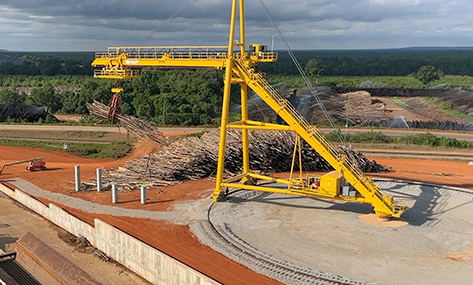
Sylvamo entered a 20-year partnership to outsource its Eastover woodyard operations to deliver more efficient, reliable and cost-effective wood processing. The hardwood line came online May 1 and is showing benefits from improved chip quality and yield. Work remains on track for the softwood line to come online in the first quarter of 2027.
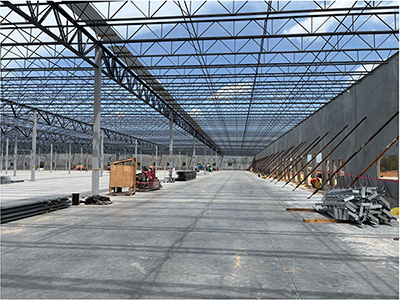
At the Sumter sheeting plant, Sylvamo is expanding the attached warehouse by 300,000 square feet through a sale-leaseback arrangement. This project will reduce supply chain costs, improve customer service and provide additional operational flexibility. The expansion is expected to be completed in the first quarter of 2027 and contribute more than $5 million in annual savings.
2026 is a year of transition, but Sylvamo remains committed to delivering superior value and service to its customers with solid, clear plans to address capacity constraints.
“Eastover is one of the largest, lowest-cost producers of uncoated freesheet in North America, and these strategic investments further strengthen its competitive advantage,” said John Sims, chief executive officer. “Our aim is to create lasting value, and these high-return projects position us to deliver world-class performance and generate stronger earnings and free cash flow.”
The investments remain on track for completion in 2027 and will enable Sylvamo to deliver substantial and long-term value for employees, customers and shareowners.
Sylvamo’s fully integrated Eastover mill is one of the most technologically advanced paper mills in the world and the largest, lowest cost producer of uncoated freesheet in North America.
The mill produces over 90% of its energy in-house. It employs more than 800 people and is responsible for creating more than 5,000 related jobs locally. The mill is located 30 miles east of Columbia, South Carolina, in Richland County on the Wateree River, and 20 minutes from Congaree National Park.
Eastover’s sheeting operation is located approximately 30 miles from the mill in Sumter, South Carolina, and employs more than 100 people.
The facilities produce Hammermill®, HP Home & Office and Williamsburg printer paper brands, as well as papers that are converted into envelopes, folders, forms and notepads.
August 28, 2026
July 8, 2026
July 1, 2026
August 28, 2026

January 15, 2026
January 7, 2026

November 24, 2025