Energy
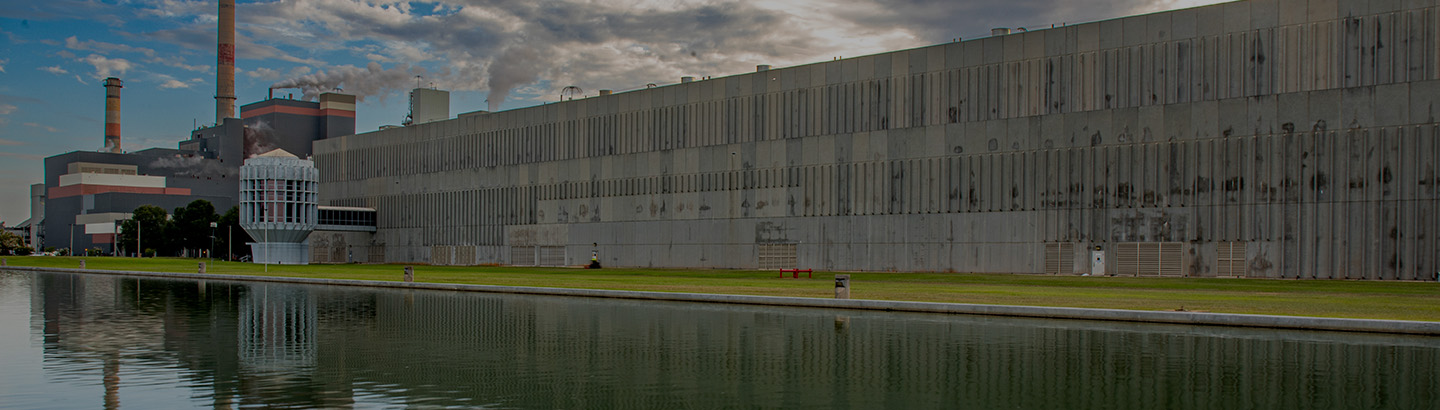
Energy is vital to the papermaking process, and we are proud of our efforts to reduce energy consumption.
We generate more than 85% of our total mill energy from renewable, carbon-neutral biomass residuals, reducing our reliance on fossil fuels. This means our energy is largely generated on site. Biomass residuals are the by-products from converting a tree into cellulose pulp.
Biogenic Carbon Cycle

Think of this as a closed loop. Trees absorb carbon dioxide (CO₂) from the air and as they decay, that same carbon is released back. Because this natural cycle stays in balance, it adds no new CO₂ to the atmosphere. Trees simply recycle carbon that's already in circulation, which is why it's called "biogenic" (carbon from living things) and considered carbon neutral. This is different from burning fossil fuels. Those release carbon that wasn't part of today's natural cycle and "new" CO₂ is added to the air.
Sylvamo Energy Sources Summary

Rather than fossil fuels, biomass residuals are used to generate 85% of our mill energy needs, releasing carbon-neutral biogenic CO₂ back in the air. The small portion of remaining energy is generated from non-biogenic sources. The cycle repeats as working forests are sustainably managed to continuously produce fiber for future harvests.
Breakdown of Our Global Fuel Consumption:
85 %
Total Biogenic Fuel Use
15 %
Fossil Fuels
Emissions
Sylvamo has a responsibility as a public company to steward our footprint within the communities we operate. It is critical that we measure and disclose emission inventory annually to demonstrate our commitment to climate action. One of our 2030 goals is an absolute reduction of greenhouse gas (GHG) emissions by 35%, with a 2019 baseline year, across Scope 1, 2 and 3.
To calculate our target, we used the Science Based Target initiative’s (SBTi) calculator and selected the absolute contraction method, under the “well below two degrees Celsius” scenario. SBTi validated this target in 2023 and we disclose progress in our annual sustainability performance review, along with our annual CDP submission.
"SBTi approval is a major accomplishment for such a young organization. We know the future of paper deserves a company committed to the success of the entire ecosystem. This is one more example of how our 2030 goals highlight our commitment to producing paper in the most responsible and sustainable ways."

Emissions
(Scope 1, 2 and 3)
Total gross Scope 1, 2 and 3 emissions by region (metric tons CO2e)
| Europe | |
|---|---|
| Scope 1 Emissions | 109,528 |
| Scope 2 Emissions* | 3,699 |
| Scope 3 Emissions | 344,246 |
| Latin America | |
|---|---|
| Scope 1 Emissions | 126,447 |
| Scope 2 Emissions* | 15,793 |
| Scope 3 Emissions | 510,597 |
| North America | |
|---|---|
| Scope 1 Emissions | 474,177 |
| Scope 2 Emissions* | 35,059 |
| Scope 3 Emissions | 664,329 |
**Emissions associated with purchased goods and services, fuel-and energy-related activities, upstream transportation and distribution, business travel and employee commuting
| Scope 1 Emissions | Scope 2 Emissions* | Scope 3 Emissions | |
|---|---|---|---|
| Europe | 109,528 | 3,699 | 344,246 |
| Latin America | 126,447 | 15,793 | 510,597 |
| North America | 474,177 | 35,059 | 664,329 |


Less Waste, More Value
July 2, 2026
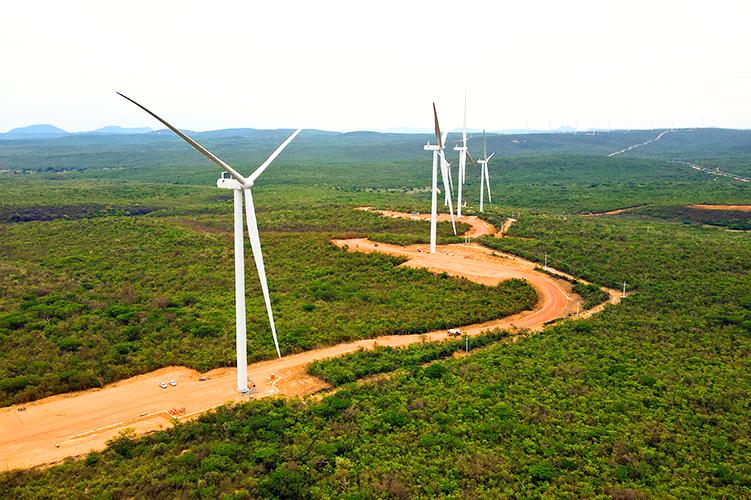

Sylvamo Partners with ENGIE to Produce Renewable Electricity
March 20, 2025


Sylvamo CDP Scores Improve for Second Straight Year
February 24, 2025


Verso Energy to Study Turning Biogenic Carbon Dioxide from Saillat Mill into Sustainable Aviation Fuel
June 17, 2024

Sylvamo Receives Bronze Medal from Leading Sustainability Rating Agency
February 22, 2024