Sustaining Forests
Our entire business depends on the sustainability of forests. A sustainably managed forest is one that maintains and enhances economic, social and environmental values for the benefit of present and future generations. Responsibly managed forests provide improved air and water quality, wildlife habitats, recreational opportunities and mitigate the impacts of climate change.
Responsible forestry is part of the circular economy; healthy working forests enable us to produce renewable and recyclable paper that people need for education and communication while contributing to the long-term health of our entire ecosystem.
Responsible Sourcing
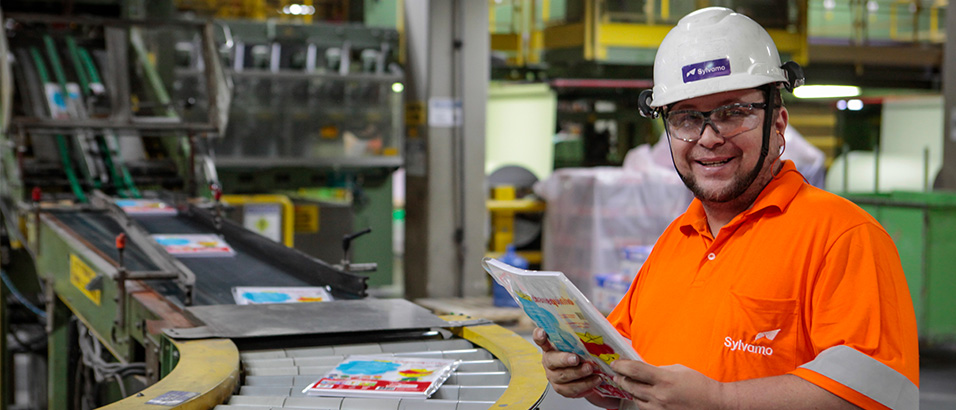
Fiber is the foundation of our business, and responsible sourcing is central to our approach. We are committed to sourcing 100% of our fiber from sustainably managed forests, while safeguarding forests, biodiversity and watersheds. As one of the world’s largest producers of fiber based, renewable paper, we play an active role in preventing deforestation and forest degradation, promoting and increasing the use of responsibly managed forests and supporting markets for certified products.
Our Global Fiber Procurement Policy defines strict requirements for legality, traceability and acceptability, including prohibitions on deforestation, conversion and high-risk sources. In practice, about half of the fiber we source globally is certified to Forest Stewardship Council® (FSC®) and/ or Programme for the Endorsement of Forest Certification (PEFC) standards and the remainder complies with the FSC Controlled Wood standard, mitigating risk of sourcing fiber from unacceptable sources. These actions directly support our 2030 sustainable sourcing goal.
Global Fiber Procurement Policy
Global Fiber Statistics
100 %
of fiber sourced globally complied with FSC® certification standards, mitigating the risk of using fiber from unacceptable sources (fsc.org/en/cw)
99 %
of our owned forestland is certified to the FSC® (C101761) Forest Management standard
49 %
of fiber sourced globally is FSC® and/or PEFC certified
Where We Source Fiber
We are committed to sourcing 100% of our fiber from sustainably managed forests.
A FSC certified (BR) FSC C101994, (EU) FSC C084255, (US) FSC C168336 B PEFC certified (BR) PEFC/28-32-08, (EU) PEFC/10-31-179, (US) PEFC/29-31-399 C Sustainable Forestry Initiative® (SFI) certified (US) SFI-01995  Paper mills
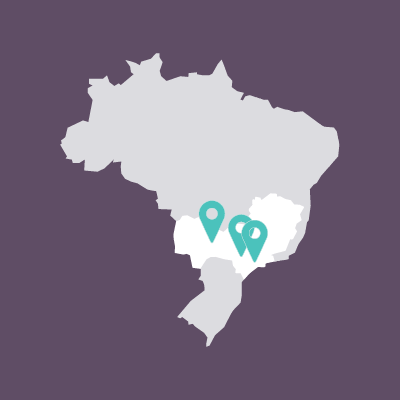
Brazil A B
• 41% of overall volume
• Primarily from Sylvamo-owned forests
• 100% eucalyptus
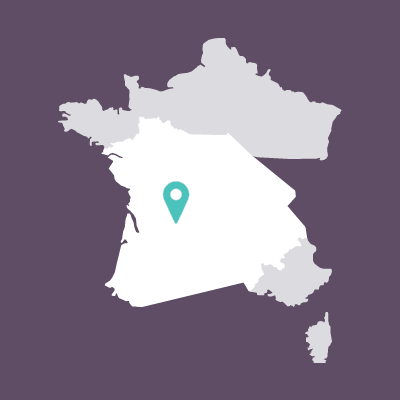
France A B
• 13% of overall volume
• Primarily from privately-owned forests
• 73% hardwood, 27% softwood
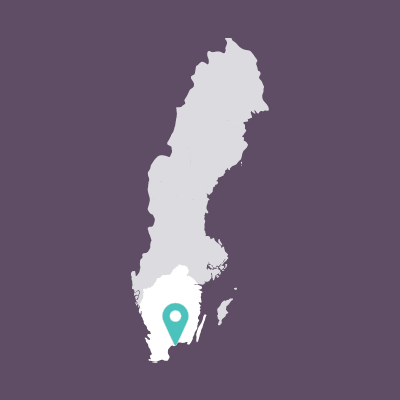
Sweden A B
• 12% of overall volume
• Primarily from privately-owned forests
• 25% hardwood, 75% softwood
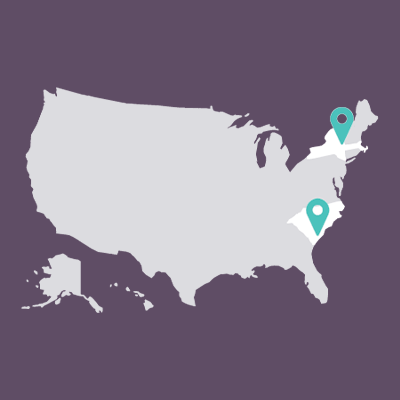
United States A B C
• 33% of overall volume
• Primarily from privately-owned forests
• 60% hardwood, 40% softwood
How We Source Fiber
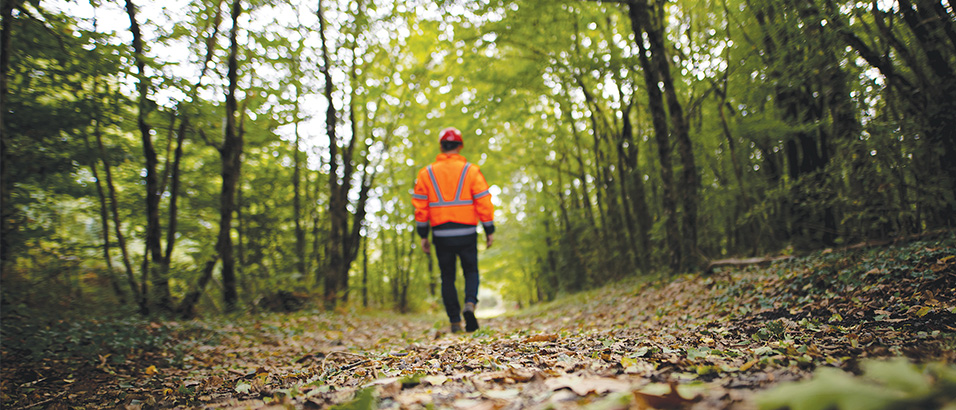
Our Saillat, France, mill relies on privately owned forests to meet its fiber supply needs. Our wood sourcing subsidiary in France, Comptoir des Bois de Brive (CBB), specializes in purchasing and harvesting timber from surrounding areas to supply the Saillat mill and other local commercial wood users.
Central to CBB’s fiber sourcing program is the FSC Forest Management Group Certificate (C109669), managed by Sylvamo Foret Services (SFS), Sylvamo’s environmental engineering subsidiary, which provides forest management and certification services to forestland owners in France. SFS has grown its membership to more than 3,000 landowners, representing 35,250 hectares, or nearly 25% of all FSC-certified forest areas in France. Both CBB and SFS have pioneered the development and application of FSC’s Ecosystem Services program in France, which creates economic incentives for landowners to protect and conserve areas of high conservation value.
Our Nymolla, Sweden, mill partners closely with a certified fiber supplier to ensure all purchased fiber meets the requirements of our global fiber procurement policy, which requires that we only use fiber from responsibly managed forests. A majority of the fiber used by the Nymolla mill is sourced within a 90 kilometer (56 mile) radius. The mill holds chain of custody fiber certifications according to FSC (C084255) and PEFC (PEFC/10-31-179) standards and employs a traceability system to document and verify the origin of wood used.
Sustaining Forests in Europe
How Sylvamo is Preparing for The EUDR Deadline
July 9, 2025
Sylvamo CDP Scores Improve for Second Straight Year
February 24, 2025
Multicopy® Doubles Down on Sustainability
August 28, 2024
Sylvamo Receives Bronze Medal from Leading Sustainability Rating Agency
February 22, 2024
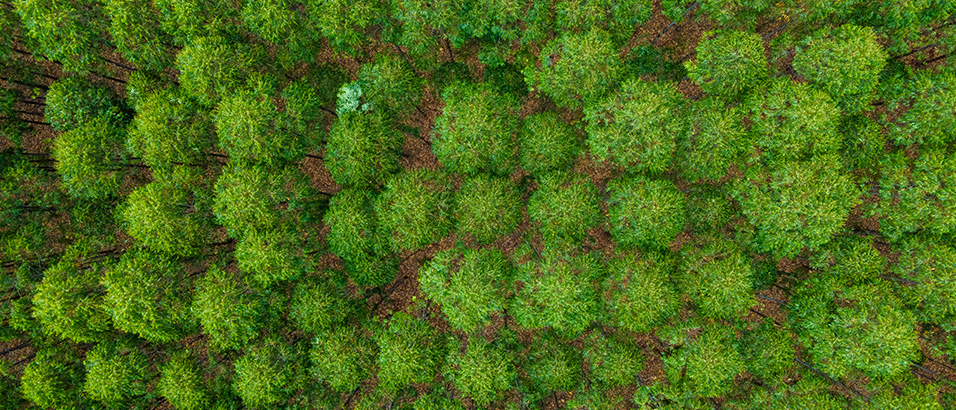
Brazil is the only country in which we own forestland, allowing us to implement forest management programs having a beneficial ecological footprint, such as our Bem Te Vi stewardship program. Bem Te Vi tracks wildlife activity in our forests to understand and conserve biodiversity on our land.
We own 100,000 hectares (247,000 acres) of forestland, located near our mills where we grow eucalyptus trees that provide a sustainable source of high-quality hardwood fiber. Eucalyptus trees grow to maturity within seven years and produce an ideal fiber for papermaking. Less eucalyptus wood is required to manufacture pulp compared to many other commonly used species. Its fast growth rate and efficiency make it an environmentally attractive species for papermaking, as well as for generating renewable energy.
Nearly all of our owned forestland is certified to FSC and PEFC forest management standards. View our Forest Management Plan.
Sustaining Forests in Latin America
Sylvamo CDP Scores Improve for Second Straight Year
February 24, 2025
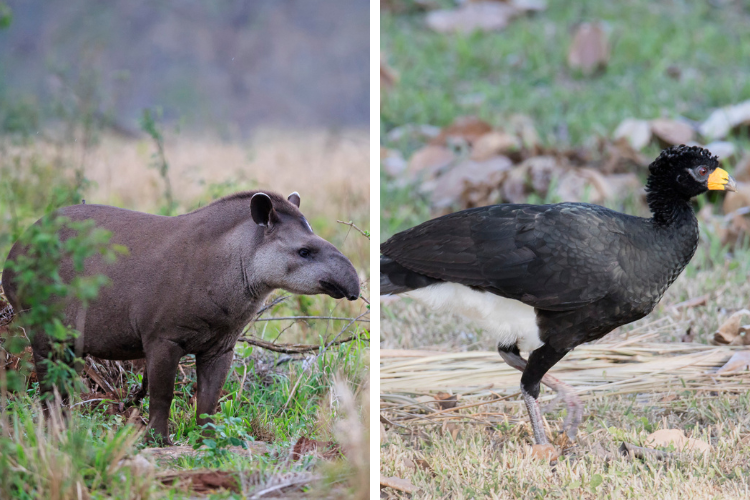
Seen by Sylvamo: Monitoring Program Helps Vulnerable Species
June 18, 2024

Sylvamo Aids in Research to Save Endangered Primate
April 8, 2024
Sylvamo Receives Bronze Medal from Leading Sustainability Rating Agency
February 22, 2024
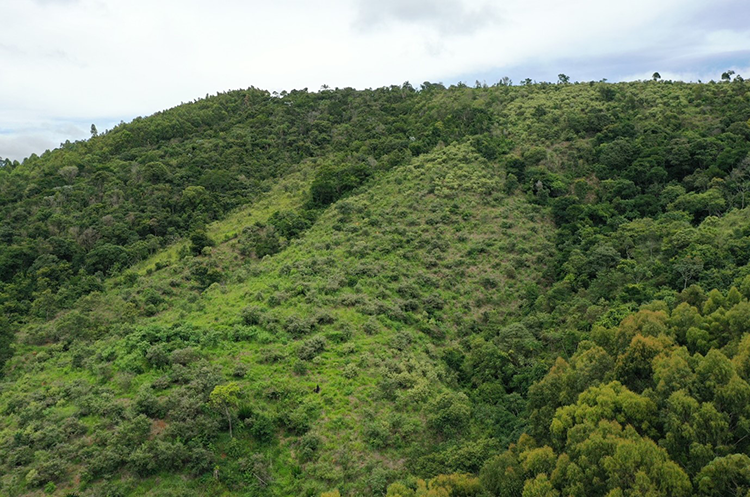
Sylvamo Announces Mogi Guacu Roots Program Results
November 1, 2023
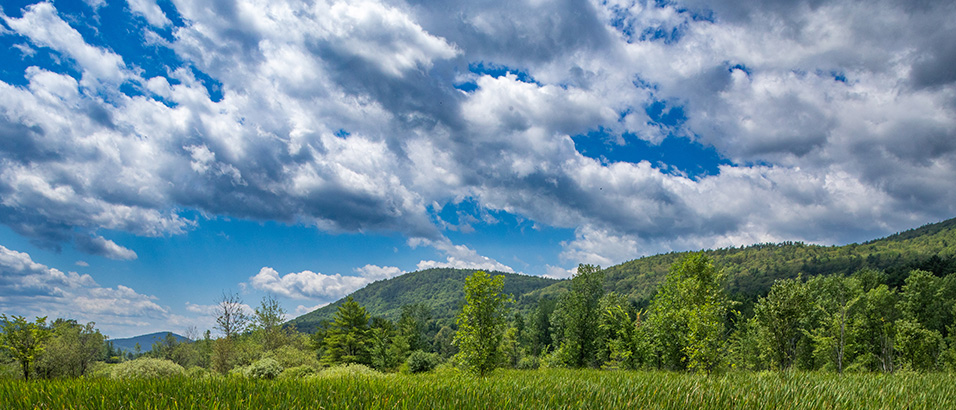
To provide wood to our Eastover, South Carolina, and Ticonderoga, New York, mills, we work with a fiber supplier certified to the major chain of custody standards. It supplies fiber harvested from nearby responsibly managed forests.
Approximately three-quarters of the wood used at our Ticonderoga mill is sourced in New York, with the remainder coming primarily from Vermont and New Hampshire. Nearly all of the wood used at our Eastover mill comes from South Carolina and North Carolina.
Most of this fiber comes from privately owned forests, which promotes the economic development of communities within these areas. It also creates opportunities for engaging local forestland owners about good sustainable forest management practices, helping preserve local forest ecosystems for the benefit of these communities.
Sustaining Forests in North America
Sylvamo CDP Scores Improve for Second Straight Year
February 24, 2025
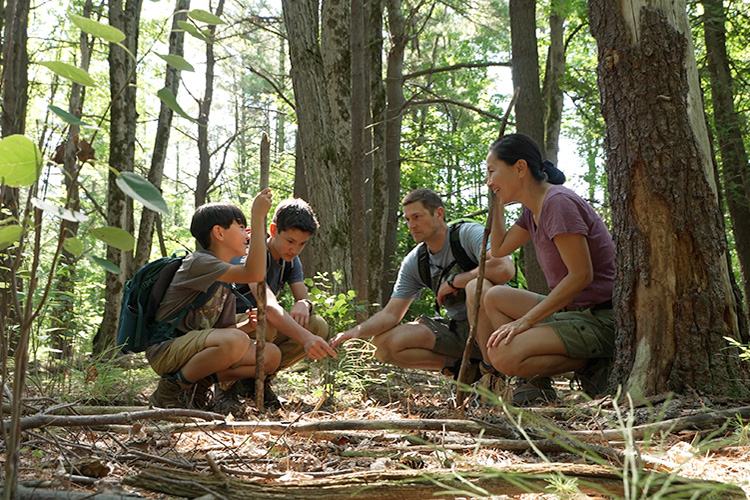
Sylvamo Announces Five-Year NFWF Partnership
January 16, 2025
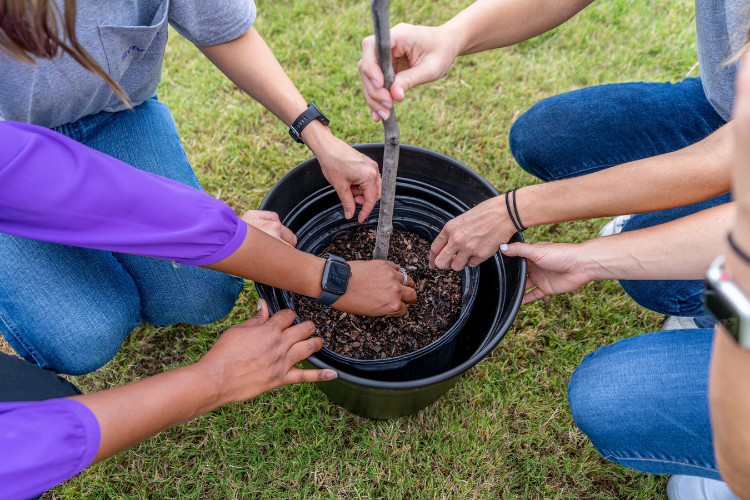
Sylvamo and Arbor Day Foundation Partner to Restore Forests in Critical Communities
March 26, 2024
Sylvamo Receives Bronze Medal from Leading Sustainability Rating Agency
February 22, 2024
Restoring Forests
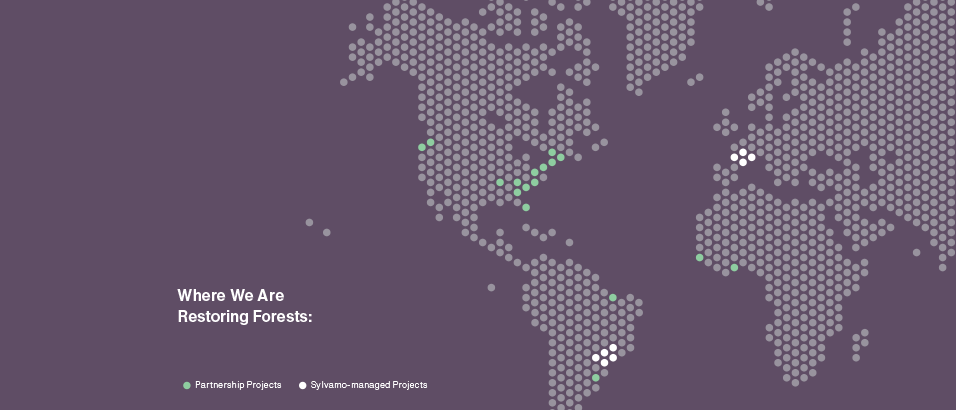
We complement responsible sourcing through intentional conservation and restoration projects globally. Through company-led projects and trusted partners, we will conserve, enhance or restore 250,000 acres of ecologically significant forestland globally by 2030.
Protecting the many benefits that forests provide, from clean water and wildlife habitat to livelihoods and climate resilience, is work that cannot be done alone. By partnering with trusted conservation organizations, Sylvamo can extend its reach, turning shared goals into outcomes.
| Acres conserved, enhanced or restored since 2019 baseline | |
|---|---|
| Europe | 42,289 |
| Latin America | 21,362 |
| North America | 3,896 |
| Global | 67,547 |
| Europe | Latin America | North America | Global | |
|---|---|---|---|---|
| Acres conserved, enhanced or restored since 2019 baseline | 42,289 | 21,362 | 3,896 | 67,547 |